Empowering Smallholder Farmers: The Best Way to Attaining Food Security
Agriculture is the backbone of our society, providing food, raw materials, and economic stability.

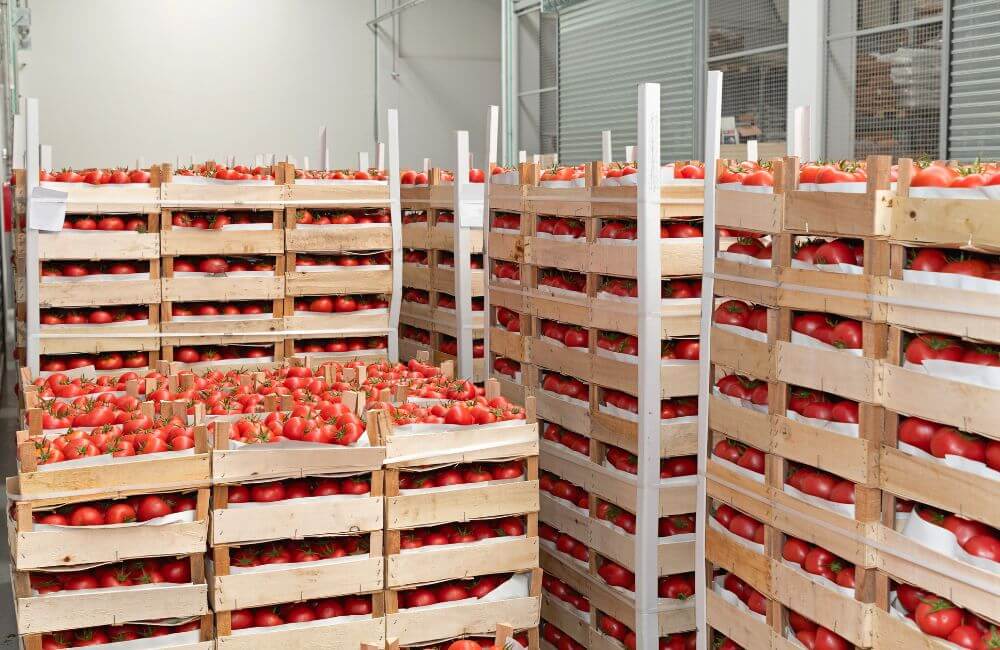
Ghana, a nation rich in culture, resources, and potential, grapples with a paradox: while it spends billions importing basic commodities annually, it simultaneously seeks financial assistance from international bodies. This puzzling situation raises critical questions about financial management, leadership, and the untapped opportunities within its own borders.
In this thought-provoking exploration, we delve into Ghana’s import habits, the feasibility of domestic production, and the urgent need for visionary leaders who can bridge the gap between knowledge and economic success.
Let’s start with the numbers. Annually, Ghana allocates staggering amounts to import essential goods:
The total expenditure on these three commodities alone reaches $1.45 billion—a staggering sum for a nation seeking financial aid.
What makes this situation even more perplexing is that Ghana possesses the capacity to produce these commodities within its borders. With proper measures, the nation could significantly reduce its reliance on imports. So why does Ghana continue down this costly path?
Ghana needs leaders who embody both discipline and compassion—a rare blend that can transform the nation’s economic landscape. Here’s what we seek:
As we continue our journey, let’s keep a close eye on Farm North. This platform champions local agriculture, empowering farmers and promoting self-sufficiency. By following their progress, we may witness the emergence of the revolutionary leaders Ghana desperately needs.
Join us as we unravel the layers of Ghana’s import paradox and explore pathways toward a thriving, self-reliant nation.