Ghana’s Import Paradox: Billions Spent on Imports, Yet Domestic Potential Ignored
Agriculture is the backbone of our society, providing food, raw materials, and economic stability.

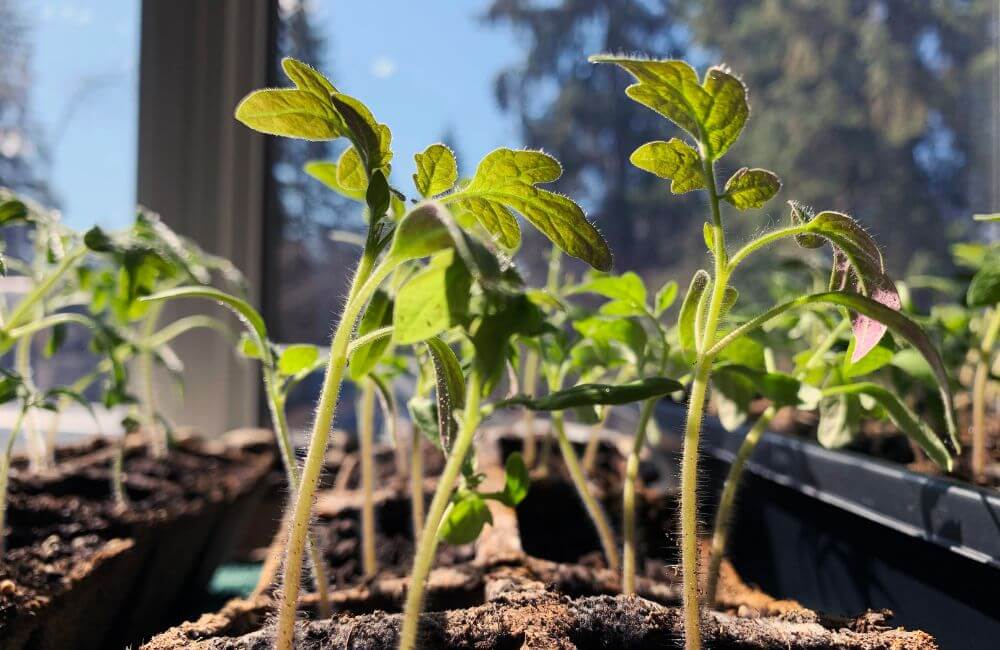
The world counts on smallholder farmers for a substantial portion of food production. In fact, they produce about 70 percent of the world’s food supply, making them crucial linchpins in the global food chain. To maximize productivity, increase profitability, and improve their living standards, it is imperative that these farmers have access to high-quality inputs — including seeds, fertilizers, and technical assistance. Here we explore the implications of providing smallholder farmers with such resources.
Firstly, let us identify what exactly defines ‘quality’ in farming inputs. For smallholder farmers, the top-notch quality doesn’t simply refer to generic efficacy. Instead, it means finding seed varieties, fertilizers and growing methods that are aligned to their specific location, soil types, and climate system. This hyper-local approach to achieving quality is what makes the difference between adequate yields and crop abundance. The benefits this can birth are comprehensive. By using high-quality, locally adaptable inputs, smallholder farmers can significantly enhance their farm’s output. Improved seeds that are resistant to local pests and diseases will reduce crop losses.
Smallholder farmers need fertilizers that are customized to replenish specific nutrient deficiencies in the soil. This will bolster plant health and growth. Consequently, increased yield per acre will result in higher income, fostering financial stability for these farmers and their families. By pushing up productivity levels, access to prime-quality inputs also strengthens the overall food supply chain. With more reliable crop yields, smallholders can contribute more consistently to their local and regional food systems.
This, in turn, bolsters food security within the community. In arenas where smallholder farmers represent the majority of local food producers, this can have an all-embracing macroeconomic effect. Moreover, when smallholder farmers prosper, there are profound social implications too. Farming families can invest widely in education, health services, and home improvements. This paves the way for improved living standards and uplifts entire communities. Witnessing the benefits of modern farming, the younger generation is less likely to abandon agriculture in search of urban opportunities.
However, making high-quality inputs available is not an automatic guarantee of uptake and proper usage. Farmers must also receive the necessary support in the form of technical assistance, training programs, and localized research to help them effectively use these resources. Infrastructure for efficient delivery mechanisms and local knowledge dissemination must also be factored in, to ensure sustainable incorporation into their routines.
In conclusion, considering smallholder farmers as invaluable engines of our global food chain, it becomes critical to implement measures that will promote their productivity, profitability and improve their overall living standards.
Access to high-quality inputs tailored to the unique needs of each farmer’s land plays an undeniable role in achieving these goals. By focusing our endeavors on creating bespoke farming solutions – from seeds to fertilizers – we can unleash the full potential of underutilized farming lands. Not only does this approach promise to create a surge in income for farmers, but it also strengthens the backbone of local economies and regional food security.
Additionally, the wider societal implications of such an investment are far-reaching and transformative. The potential for positive impacts on education, health, home improvement, and indeed every facet of rural development is monumental. This ripple effect further magnifies the role of smallholder farmers in shaping more prosperous and resilient communities. Still, let us not overlook the importance of supplementary support in form of technical assistance and training programs. By nurturing the capacity of these farmers to utilize top-notch inputs optimally, the benefits can be amplified and made sustainable. It’s crucial then to remember that advancing smallholder farming isn’t just about resources at their disposal; it hinges as much on skills, knowledge, and networks they bring to bear.
Ultimately, by empowering smallholder farmers through the provision of high-quality inputs and supportive systems, we reiterate our commitment to ensuring food security and sovereignty globally. Working harmoniously with Mother Nature, these diligent nurturers of the soil have the power to turn the tide against hunger and poverty, securing the future of generations to come. Let us, therefore, make it a shared mission to give them all the necessary tools and respect their indispensability warrants.